

According to a report on the Digital Trends website, Matt Newby (Matt Newby), an executive at the magnet sales website first4magnets, explained, "This concern may come from previous electronic devices, such as CRT monitors and televisions, which are susceptible to magnetic fields. When When strong magnets are brought close to such products, they can distort the image. Modern TVs and monitors are not affected by this."
Most modern electronics - such as smartphones - are not affected by small magnets. But is that really the case?
Engineers at K&J Magnetics, a magnet-selling site, used an iPhone to conduct experiments to demonstrate the effect of magnets on sensors inside a smartphone.
Apple has taken this factor into account in the design of mobile phone cases and accessories. Apple states in its Case Design Guidelines that "Apple recommends avoiding the use of magnetic and metallic materials in cases." Manufacturers must ensure that the built-in magnetic compass is not affected by the case. The iPhone 6 Plus received special "care" because magnets could cause potential problems with the optical image stabilization and autofocus cameras.
Users of USB flash drives and solid-state drives don't have to worry. "USB drives and SSDs are not affected by strong static magnetic fields," Michael said.
K&J Magnetics engineers tried to use neodymium magnets to destroy data in hard drives, but they were disappointed. They placed large magnets on the side of a running hard drive until they could hear the sound of mechanical rubbing, indicating that the magnets had caused the drive's internal components to bend. Despite this, the files stored on the hard drive are still 100 percent intact.
"At home, we're surrounded by magnets -- in every computer, speaker, TV, motor, smartphone. We can't live without magnets," Matt said.
מוצרים פופולריים

מגנט מלוכד
מגנט זרבובית למייבש שיער מגנט מלוכד
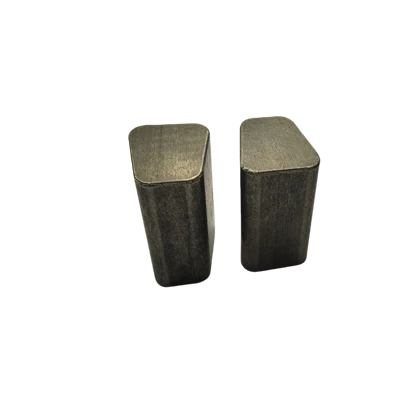
קומפוזיט מגנטי רך
מרוכב מגנטי רך (SMC) המותאם למפרקי כלבים רובוטיים ולמנוע צירי.

מכלול מגנטי NdFeB
עם התקדמות הטכנולוגיה הרב-תחומית-ת, התקנים מרוכבים של NdFeB וחלקי מתכת מלוכדים יתפתחו עוד יותר בכיוון של אינטליגנציה

פלח מגנטים
מגנטים מקטעים יכולים להיקרא מגנטים קשתים. זה סוג של מגנט קבוע העשוי מסגסוגת של ניאודימיום, ברזל ובורון (NdFeB). בדרך

סטאטור מרווח
מרווח סטטור, החלקים של נעלי מוט; לעתים קרובות הוא ניתן להסרה משוק המוט במנוע גדול. מרווח סטטור מורכב מאבקת קומפוזיציה

רוטורים מגנטים מלוכדים של NdFeB
רוטורי מגנט מלוכדים של NdFeB הם מכשיר מגנטי המורכב ממגנט וציר מלוכדים. רוטורים מגנטים מלוכדים NdFeB משמשים בדרך כלל